Buying Guides
How Brake Caliper Weight Affects Shipping Costs and Purchasing Decisions
Learn how brake caliper weight affects shipping costs, landed costs and purchasing decisions. A practical sourcing guide for aftermarket brake parts importers.
When sourcing aftermarket brake calipers, automotive parts importers often focus on unit prices, minimum order quantities and product availability.
However, another important factor deserves attention: product weight.
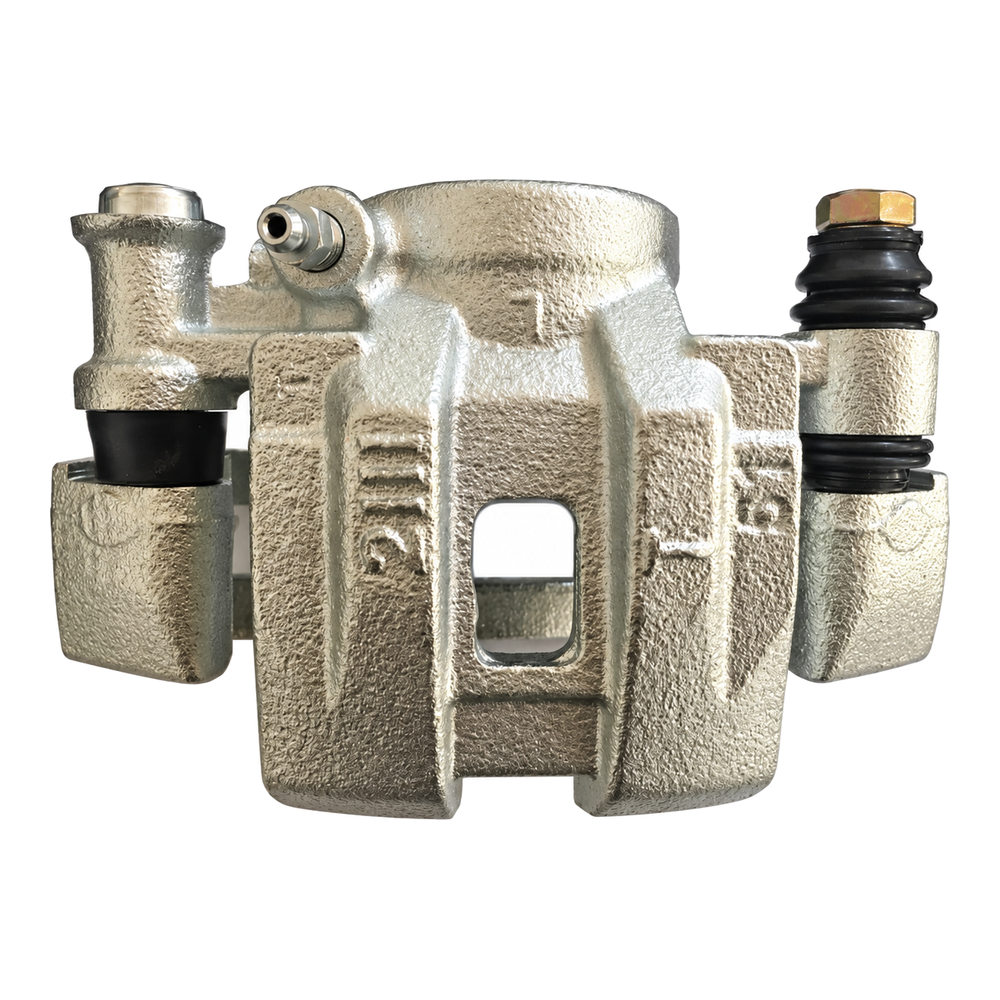
Brake caliper weight can influence freight costs, shipment planning, warehouse handling and overall landed costs, particularly when purchasing hundreds or thousands of units.
But does a lighter brake caliper always offer better purchasing value?
The answer depends on product specifications, structural design, shipping conditions and safety requirements.
1. Why Brake Caliper Weight Matters to Importers
Brake calipers are relatively heavy automotive components compared with many individual brake repair parts.
For importers purchasing in bulk, even a small difference in unit weight can result in a considerable difference in total shipment weight.
Product weight may influence:
• International freight costs
• Domestic transportation costs
• Carton and pallet requirements
• Container loading plans
• Warehouse handling
• Total landed cost per unit
However, actual freight charges depend on the transportation method, shipment volume, gross weight and the freight forwarder's charging structure.
A reduction in product weight does not necessarily result in an equivalent reduction in shipping costs.
2. How Much Difference Can 0.5 kg Make?
During a recent customer discussion, brake caliper weight became an important part of the purchasing conversation.
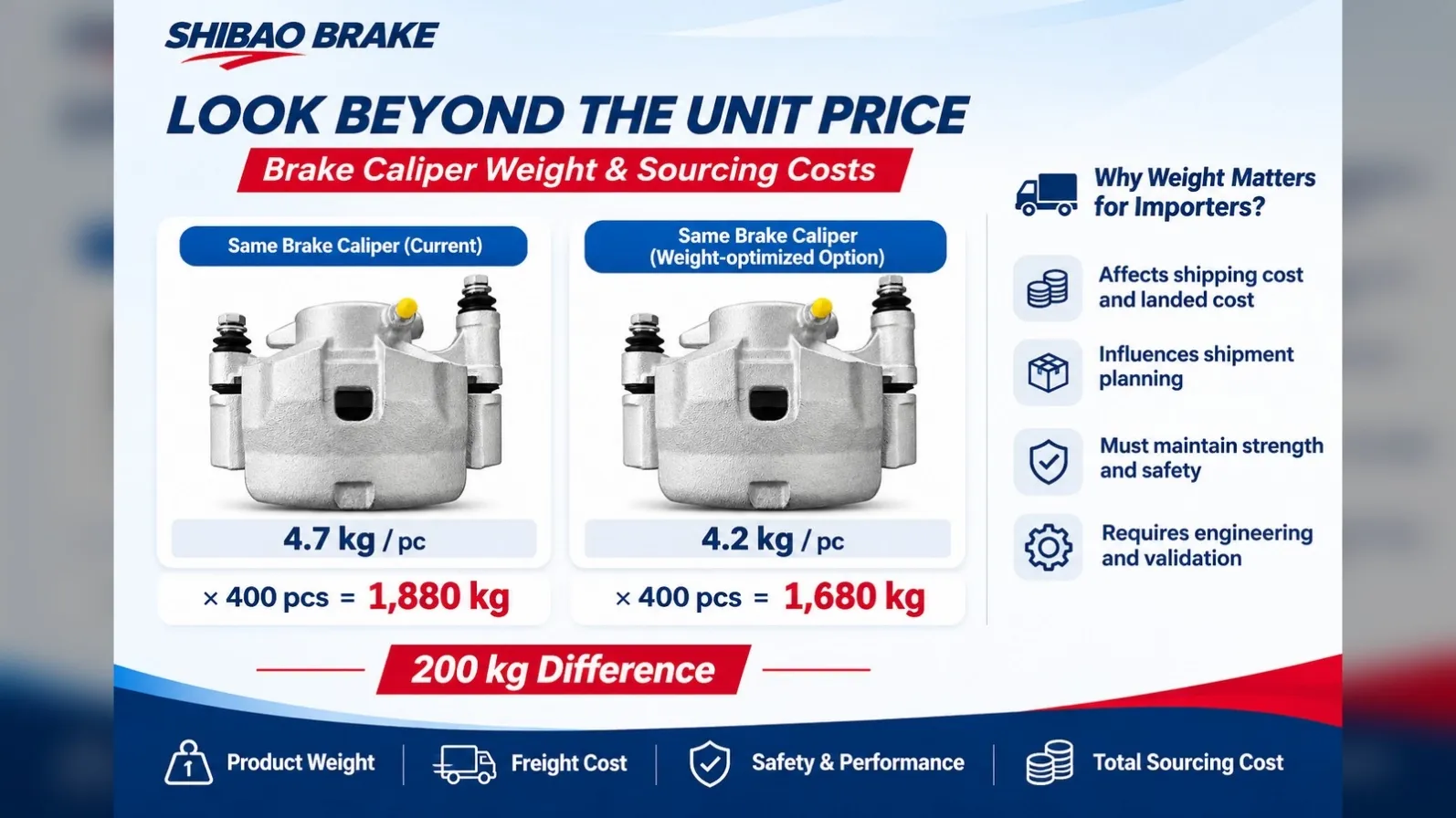
To illustrate the potential impact, consider two hypothetical weight scenarios for the same brake caliper reference and assembly configuration.
• Scenario A — Unit net weight: 4.7 kg — Order quantity: 400 pcs — Total product net weight: 1,880 kg.
• Scenario B — Unit net weight: 4.2 kg — Order quantity: 400 pcs — Total product net weight: 1,680 kg.
• Total weight difference: 200 kg.
A difference of 0.5 kg per unit would result in a total product weight difference of 200 kg for an order of 400 units.
For an order of 1,000 units, the theoretical difference would increase to 500 kg.
Important note: The 4.2 kg figure is a hypothetical calculation scenario, not an existing or validated lightweight product offered by SHIBAO BRAKE. Packaging weight is excluded from this example.
Whether such a weight reduction is technically feasible would require engineering assessment and appropriate safety validation.
3. Compare the Same Brake Caliper, Not Different Products
A meaningful weight comparison must be based on equivalent products.
Comparing two different brake caliper models simply because they have a similar appearance can lead to incorrect purchasing conclusions.
Before comparing product weight, importers should confirm:
• The same OE reference and intended vehicle application
• Equivalent mounting specifications
• The same piston configuration
• Equivalent functional requirements
• Whether the mounting bracket is included
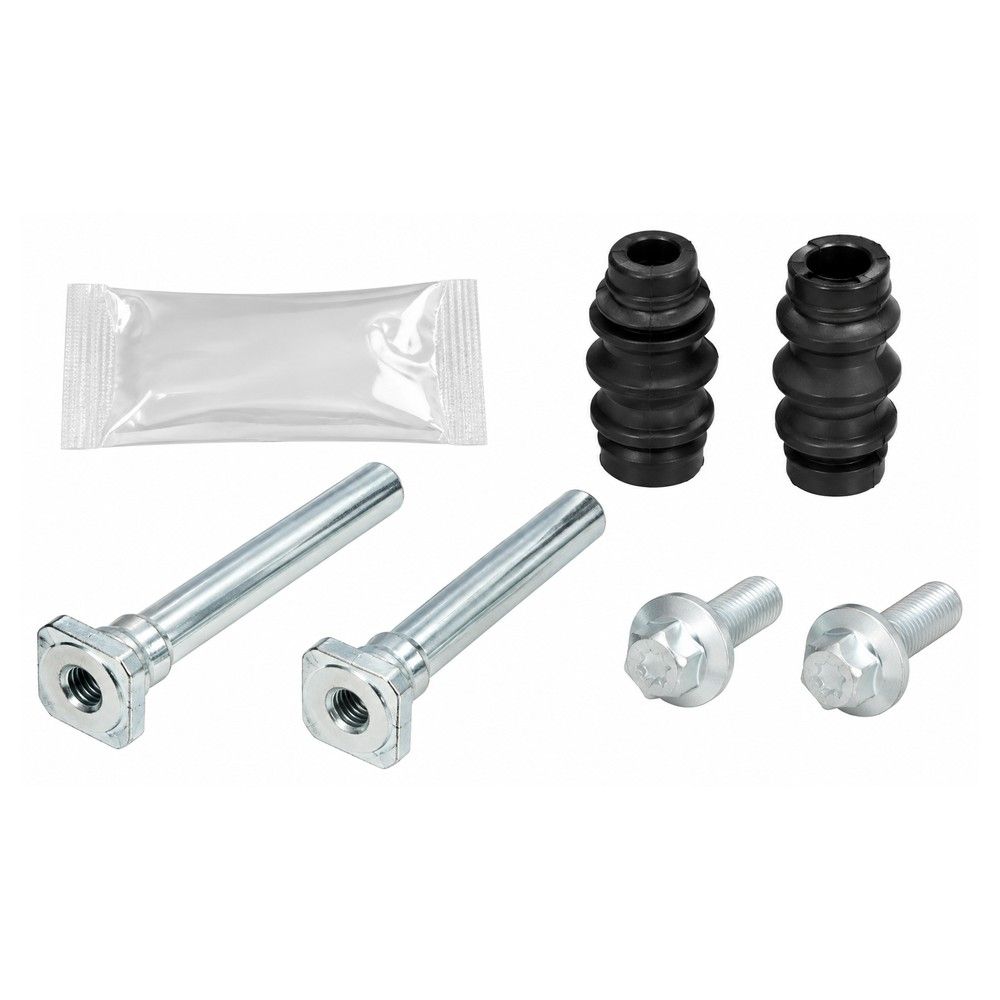
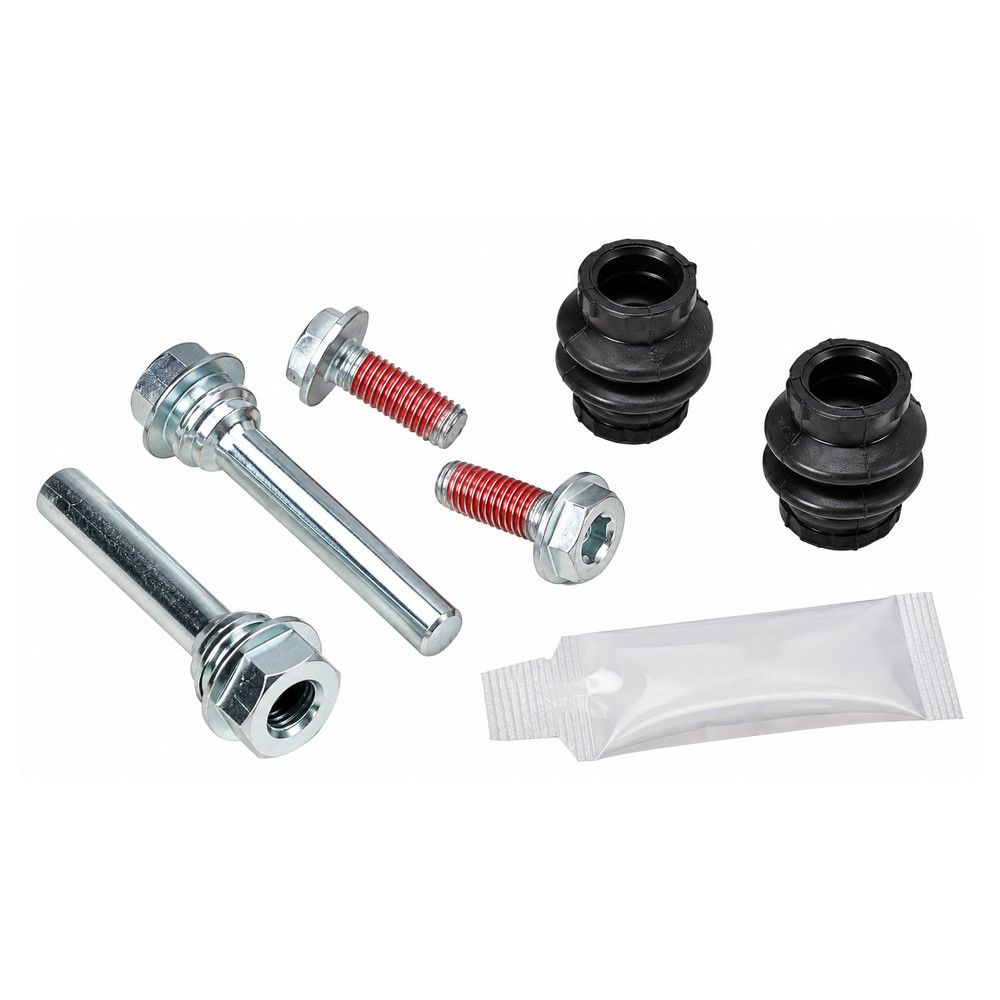
• Whether guide pins and other accessories are included
• Consistent weighing conditions
For example, a brake caliper assembly with a mounting bracket should not be directly compared with a caliper body supplied without a bracket.
A lower weight may simply reflect a different product configuration rather than an improvement in engineering design.
4. Why Brake Caliper Weight Cannot Simply Be Reduced
Brake calipers are safety-critical components within a vehicle's braking system.
Their weight is influenced by several factors, including:
• Housing and bracket materials
• Casting geometry
• Structural design
• Piston configuration
• Mounting requirements
• Included components
Reducing product weight may require changes to the casting design, tooling, manufacturing process or material selection.
Such changes may also introduce additional development and validation costs.
Any proposed weight reduction must be assessed against the relevant engineering, structural, durability and braking performance requirements.
A lighter brake caliper is not automatically a better brake caliper. Equally, a heavier brake caliper is not automatically a higher-quality product.
Product suitability and validated performance are more important than weight alone.
5. Net Weight vs. Gross Weight: What Should Buyers Request?
When calculating transportation costs, importers should distinguish between net weight and gross weight.
• Unit Net Weight — Weight of one product without shipping packaging.
• Total Net Weight — Combined weight of all products in the order.
• Carton Gross Weight — Weight of products and their carton packaging.
• Shipment Gross Weight — Total shipment weight, including relevant packaging and pallets.
• Shipment Volume — Total space occupied by the packaged shipment, usually measured in cubic metres.
A supplier's product net weight alone is not sufficient for obtaining an accurate freight quotation.
Importers should also request carton dimensions, packing quantities, pallet information and estimated shipment volume where applicable.
These details allow freight forwarders to provide a more appropriate transportation quotation.
6. How to Calculate the Landed Cost of Brake Calipers
A practical purchasing decision should consider the total cost of bringing the products to the buyer's warehouse.
A simplified landed cost calculation may include:
Total Landed Cost = Product Cost + Freight + Insurance + Applicable Import Duties + Non-Recoverable Taxes + Customs Clearance and Local Delivery Charges
The exact cost structure depends on the destination country, applicable trade terms and import requirements.
For distributors comparing multiple suppliers, it is useful to prepare a comparison sheet covering the following information:
• Product Reference — OE number and vehicle application.
• Product Configuration — Caliper, bracket and included accessories.
• Unit Price — Quoted price and currency.
• Trade Terms — EXW, FOB, CIF or other agreed terms.
• Net Weight — Product weight per unit.
• Gross Weight — Estimated packaged shipment weight.
• Shipment Volume — Carton or pallet volume.
• Freight Cost — Based on an actual freight quotation.
• Quality Requirements — Relevant specifications and available inspection information.
• Landed Cost — Estimated total cost per unit.
This approach helps buyers compare quotations on a more consistent basis.
The lowest unit price may not always represent the lowest overall purchasing cost.
7. A Practical Brake Caliper Sourcing Checklist
Before confirming a bulk brake caliper order, importers and distributors should consider asking their suppliers the following questions:
1. What is the exact OE reference?
2. Is the mounting bracket included?
3. What is the net weight per unit?
4. What is the estimated gross weight of the order?
5. What are the carton dimensions and packing quantities?
6. What is the estimated shipment volume?
7. What product specifications and inspection information are available?
8. What are the agreed trade terms and delivery conditions?
Having this information before placing an order can support more accurate cost calculations and reduce avoidable purchasing misunderstandings.
Frequently Asked Questions
Does a lighter brake caliper mean lower quality?
Not necessarily. Product quality depends on design, materials, manufacturing consistency and validated performance. Weight alone is not a reliable quality indicator.
Does reducing brake caliper weight always reduce freight costs?
No. Freight charges may depend on gross weight, shipment volume, transportation method and the freight forwarder's pricing structure.
Should I compare brake calipers with and without mounting brackets?
No. A meaningful weight and price comparison should be based on equivalent product configurations and functional requirements.
Can a brake caliper supplier reduce product weight upon request?
This depends on the product design, manufacturing process and engineering feasibility. Any structural changes require appropriate technical assessment and safety validation before commercial supply.
What information is required to estimate brake caliper shipping costs?
Buyers should prepare the order quantity, product net weight, estimated gross weight, carton dimensions, shipment volume, destination and preferred shipping method.
Conclusion
Brake caliper sourcing involves more than comparing unit prices.
Product configuration, weight, freight costs, safety requirements and total landed cost should all be considered when making purchasing decisions.
For automotive aftermarket importers and distributors, accurate product information and transparent communication with suppliers can support better shipment planning and more informed purchasing decisions.
The objective is not simply to purchase a lighter or cheaper product, but to source suitable products at a commercially sustainable overall cost.
About SHIBAO BRAKE
SHIBAO BRAKE supplies aftermarket brake caliper assemblies and related brake repair components, including guide pin kits, pistons and caliper repair kits.
We welcome enquiries from automotive parts importers, wholesalers, distributors and aftermarket brand owners.
If you are comparing brake caliper quotations or planning a bulk shipment, please provide your OE references, required quantities, product configuration and destination.
Contact us to discuss product availability, specifications and packing information for your sourcing requirements.
Website: www.shibaobrakeparts.com
Contact: Send Your OE List for a Quote
Related reading
By SHIBAO Brake | Yuhuan Shibao Automotive Co., Ltd.